How Much Exercise Does a Dachshund Need? A Safer Daily Routine
Build a dachshund exercise routine around age, fitness, weather, body condition, and back-health warning signs instead of one universal distance.
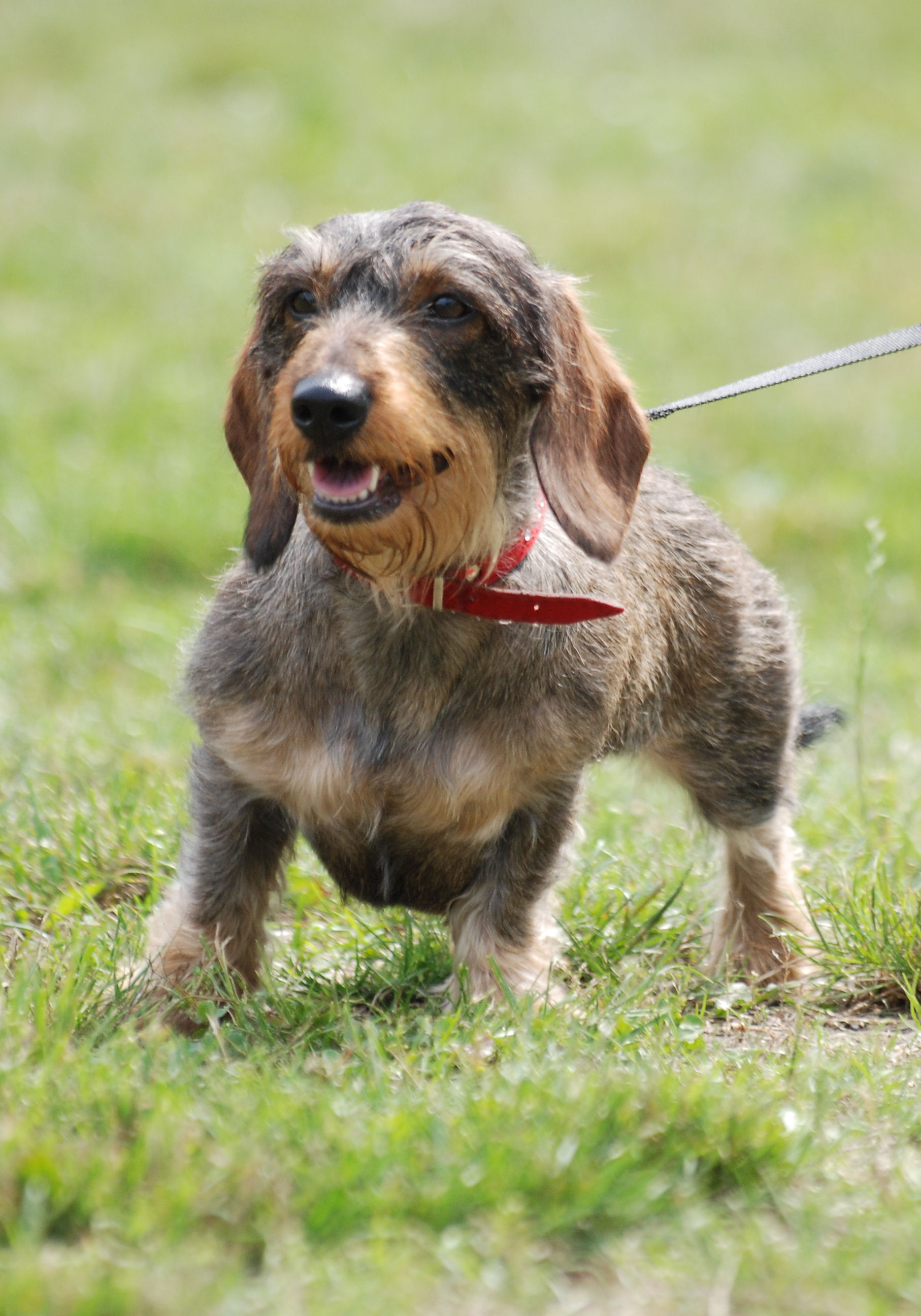
There is no single correct distance
A dachshund’s exercise needs depend on age, health, fitness, weather, body condition, and what the dog is already used to doing. A young, healthy dog may enjoy several short walks and play sessions, while a senior dog or a dog recovering from pain may need a much gentler plan set with a veterinarian.
The useful goal is regular, controlled movement without exhaustion, overheating, repeated jumping, or a sudden increase in impact. Watch how your dog moves later that day and the next morning, not only how enthusiastic the dog looks at the start.
A practical daily pattern
- Start with a short sniff walk. Let the dog settle into a normal walking rhythm before adding distance.
- Add controlled play. Choose ground-level games that do not require sharp turns, launching off furniture, or repeated jumping.
- Use training as exercise. Recall, loose-leash walking, nose work, and simple cues can tire a dog without forcing a long route.
- Finish before form breaks down. Panting, lagging, repeated sitting, limping, or a hunched posture means the session needs to end or change.
Signs the routine is too hard
Reduce activity and contact your veterinarian if your dachshund develops a limp, reluctance to climb or move, a new hunched posture, yelping, weakness, dragging or knuckling of a paw, or unusual tiredness that does not resolve with rest. Do not use a longer walk to “work through” pain.
Heat also changes the plan. Shorten walks in hot or humid weather, provide water, avoid hot pavement, and stop if the dog is struggling to cool down. A dachshund’s motivation to keep going is not a reliable safety gauge.
Exercise for puppies and older dachshunds
Puppies
Prioritize calm exploration, socialization, and short training sessions. Avoid using forced distance to tire a growing puppy, and prevent repeated launching off sofas or stairs. Ask your veterinarian about an age-appropriate plan for your puppy’s size and health.
Older dogs
Older dachshunds often benefit from more frequent, shorter sessions. A slower walk with sniffing may be more useful than a long route. Keep a simple record of distance, surface, weather, and next-day stiffness so you can spot changes early.
Make movement easier on a long back
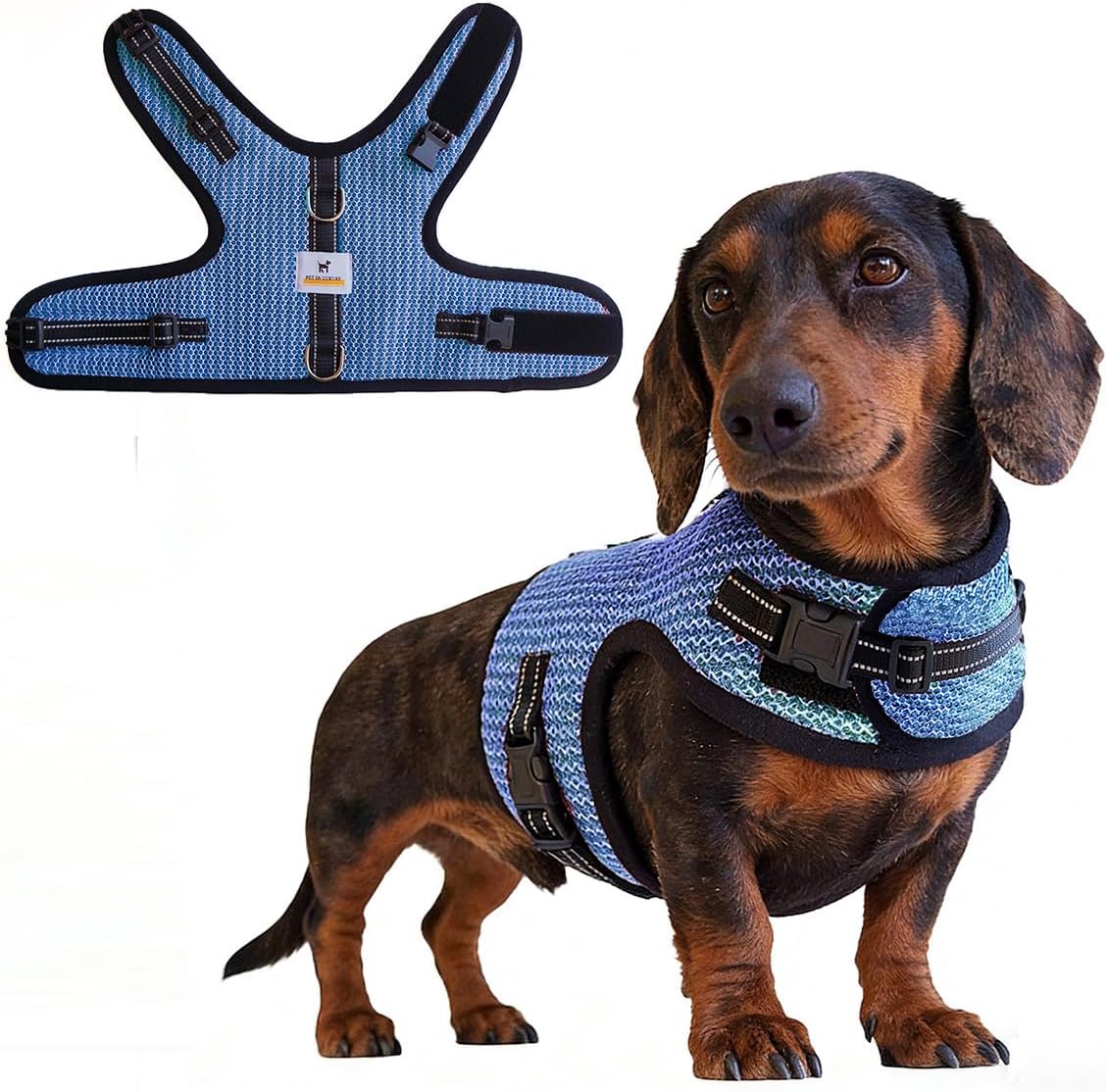
- Use a well-fitted harness rather than relying on leash corrections.
- Choose even, non-slip surfaces when possible.
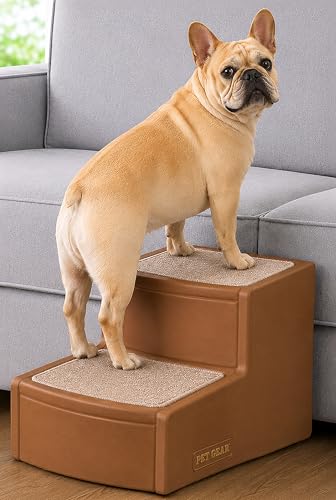
- Block unsupervised stair sprints and furniture jumping.
- Keep body condition lean and ask your veterinarian to assess it.
- Increase activity gradually rather than doubling a walk because the dog seems excited.
Bottom line
The best dachshund exercise routine is repeatable, controlled, and adjusted to the individual dog. Use short sessions, sniffing, training, and safe play; watch for next-day changes; and treat pain, weakness, or altered coordination as reasons to seek veterinary advice.
Related products for dachshund owners
Disclosure: This guide contains Amazon affiliate links.
When to call your veterinarian
This guide is general information, not a diagnosis. Sudden severe pain, weakness, dragging legs, loss of bladder or bowel control, collapse, breathing trouble, or rapidly worsening symptoms need prompt veterinary advice.
Read the veterinary disclaimer →Sources
- American Kennel Club: Dachshund breed information
- American College of Veterinary Surgeons: Intervertebral Disc Disease
- WSAVA Body Condition Score chart
Browse all dachshund guides → · Contact the editorial team →