How to Lift a Dachshund Safely: Support the Back and Hips
Learn a calmer way to pick up a dachshund, what changes mean you should stop lifting at home, and how to reduce twisting during everyday handling.
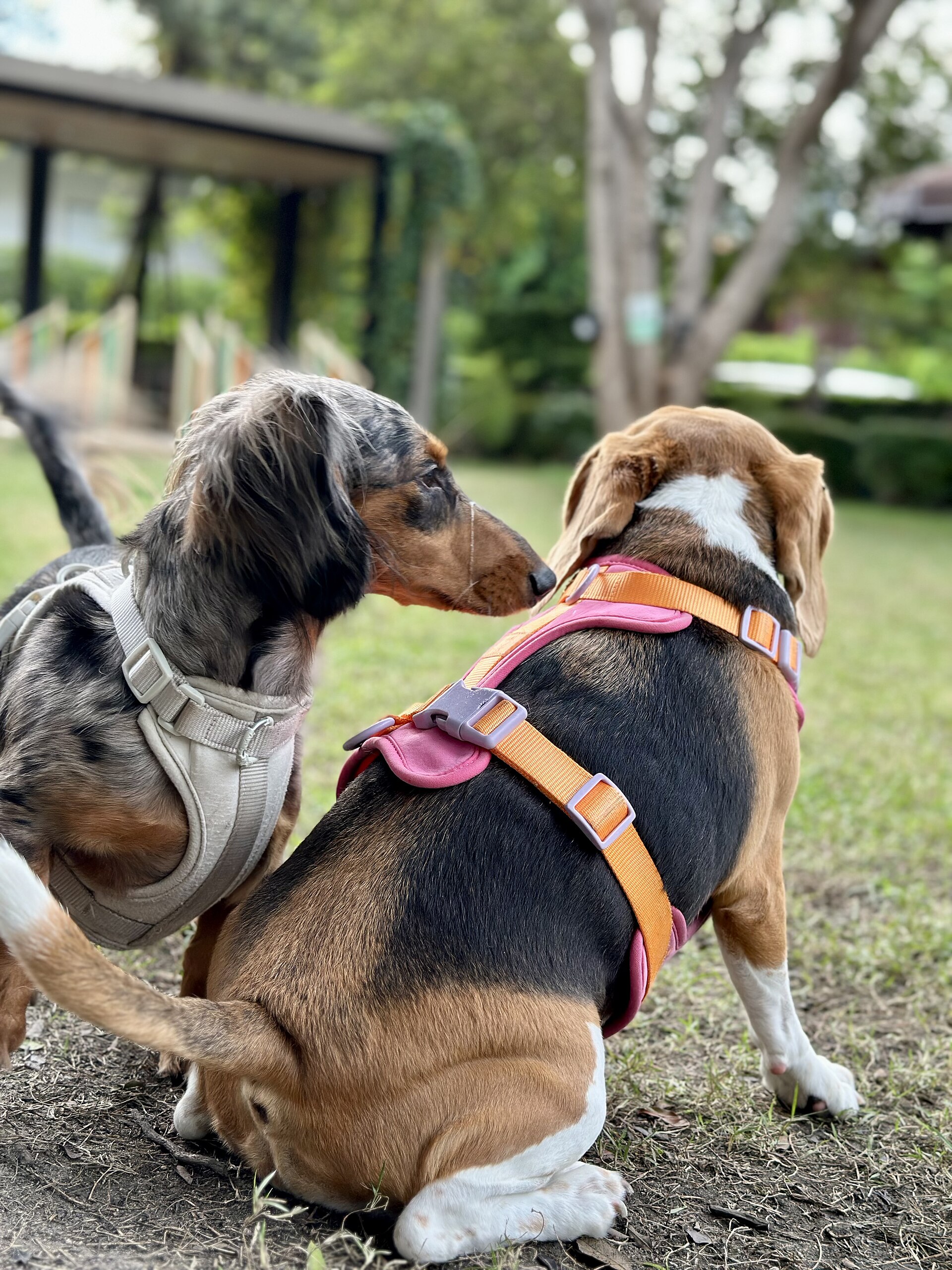
Why lifting technique matters
A dachshund’s long back is not a reason to avoid touching or carrying the dog. It is a reason to make the movement predictable and supported. The risky pattern is usually a sudden scoop under the front legs, a dangling rear half, or a twist while the dog tries to turn away.
A safe lift keeps the chest and the pelvis supported at the same time and keeps the spine as level as practical. Move slowly enough that you can stop if the dog stiffens, cries, or tries to escape.
The two-point support method
- Get close first. Stand beside the dog instead of reaching from above or across furniture.
- Warn the dog. Use the same calm cue each time and place one hand under the chest, behind the front legs.
- Support the rear. Slide your other hand under the pelvis or thighs so the back half cannot hang.
- Lift as one unit. Keep the chest and hips moving together. Do not pull the front half up first.
- Hold close to your body. A shorter distance gives the dog less room to twist and gives you better control.
- Lower slowly. Keep both support points until all four paws are stable on the floor.
When not to lift without veterinary advice
Do not keep practicing a home lifting routine if your dachshund suddenly resists being picked up, cries when touched, holds a hunched posture, trembles, walks differently, drags a paw, or cannot use the back legs normally. Those changes are more important than whether the dog looks visibly distressed.
Keep the dog quiet and restrict unnecessary movement while you contact a veterinarian. Do not massage the back, stretch the spine, or repeatedly test whether the dog can jump or climb.
Everyday situations that need a plan
Getting out of a car
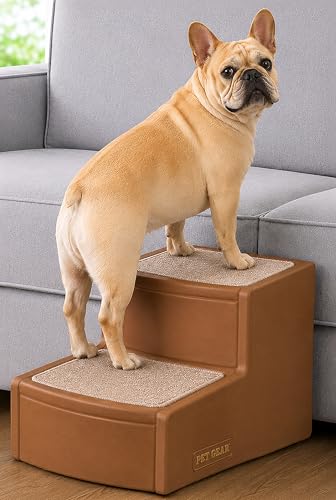
Use a ramp or lift the dog before it launches toward the ground. If another person is present, one person can control the door and leash while the other supports the dog. Avoid twisting while turning in a narrow car doorway.
Going up or down stairs
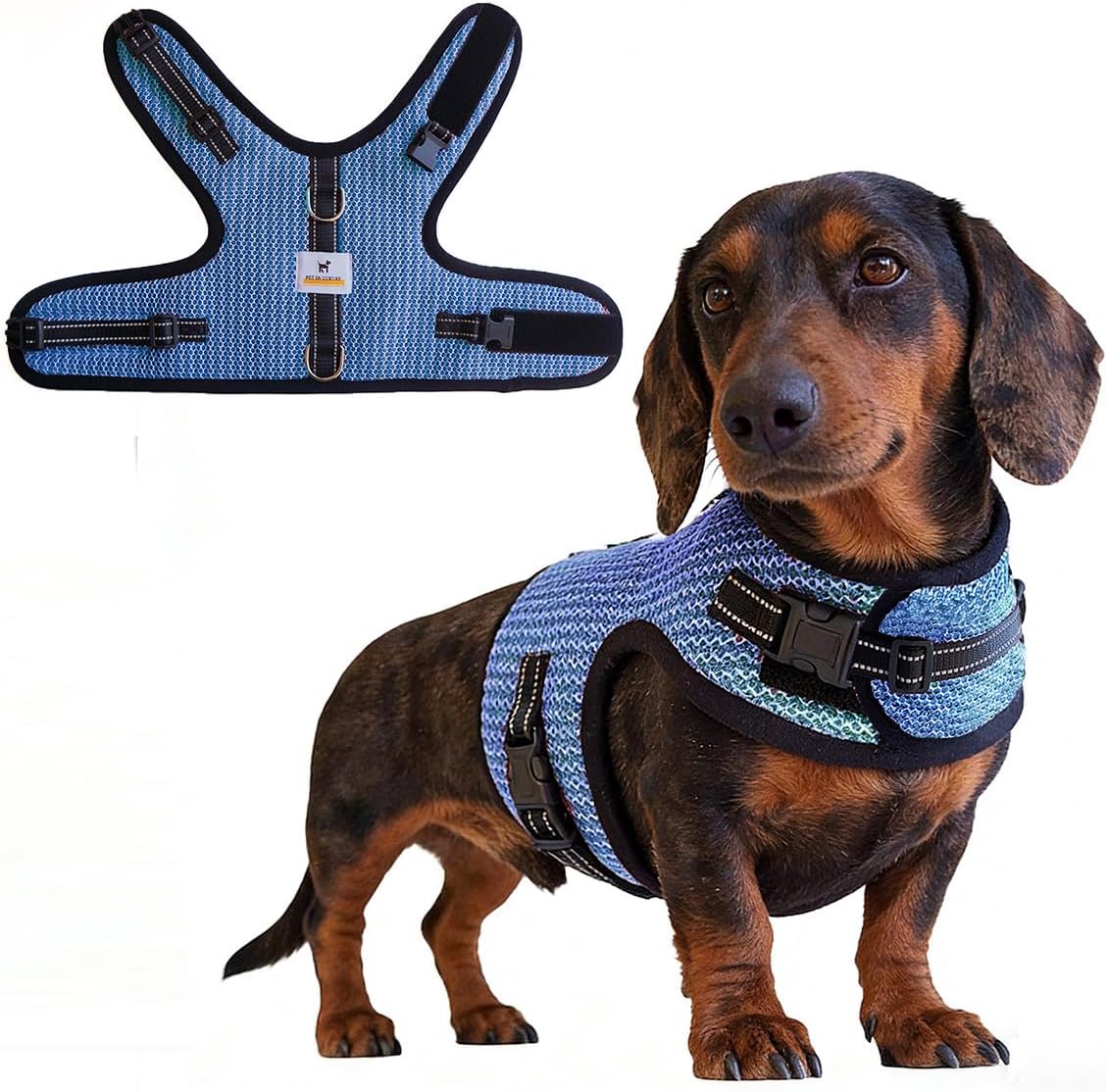
Carry a dog that is painful, weak, or unsteady rather than making it prove that it can manage the steps. For a comfortable dog, a gate, harness, and slow training routine can reduce rushed stair sprints.
Moving from a sofa or bed
Invite the dog toward a stable ramp or a low resting place instead of grabbing suddenly. Keep the path clear so the dog does not jump sideways when you approach.
A handling checklist for the household
- Use the same lift cue and support points.
- Keep ramps, gates, and a suitable resting area ready.
- Tell children not to pick up the dog without an adult.
- Record new pain, weakness, or reluctance to move rather than dismissing it as stubbornness.
- Ask your veterinarian to demonstrate handling if your dog has a known back problem.
Bottom line
Support the chest and pelvis together, keep the back level, move close to your body, and stop when the dog shows pain or neurologic changes. A careful lift is useful, but it is not a substitute for veterinary assessment when a dachshund’s movement changes suddenly.
Related products for dachshund owners
Disclosure: This guide contains Amazon affiliate links.
When to call your veterinarian
This guide is general information, not a diagnosis. Sudden severe pain, weakness, dragging legs, loss of bladder or bowel control, collapse, breathing trouble, or rapidly worsening symptoms need prompt veterinary advice.
Read the veterinary disclaimer →Sources
- American College of Veterinary Surgeons: Intervertebral Disc Disease
- VCA Animal Hospitals: Intervertebral Disc Disease in Dogs
Browse all dachshund guides → · Contact the editorial team →